
Last updated May 7, 2026
The short answer: 2 weeks to 12 weeks, depending on the symptom
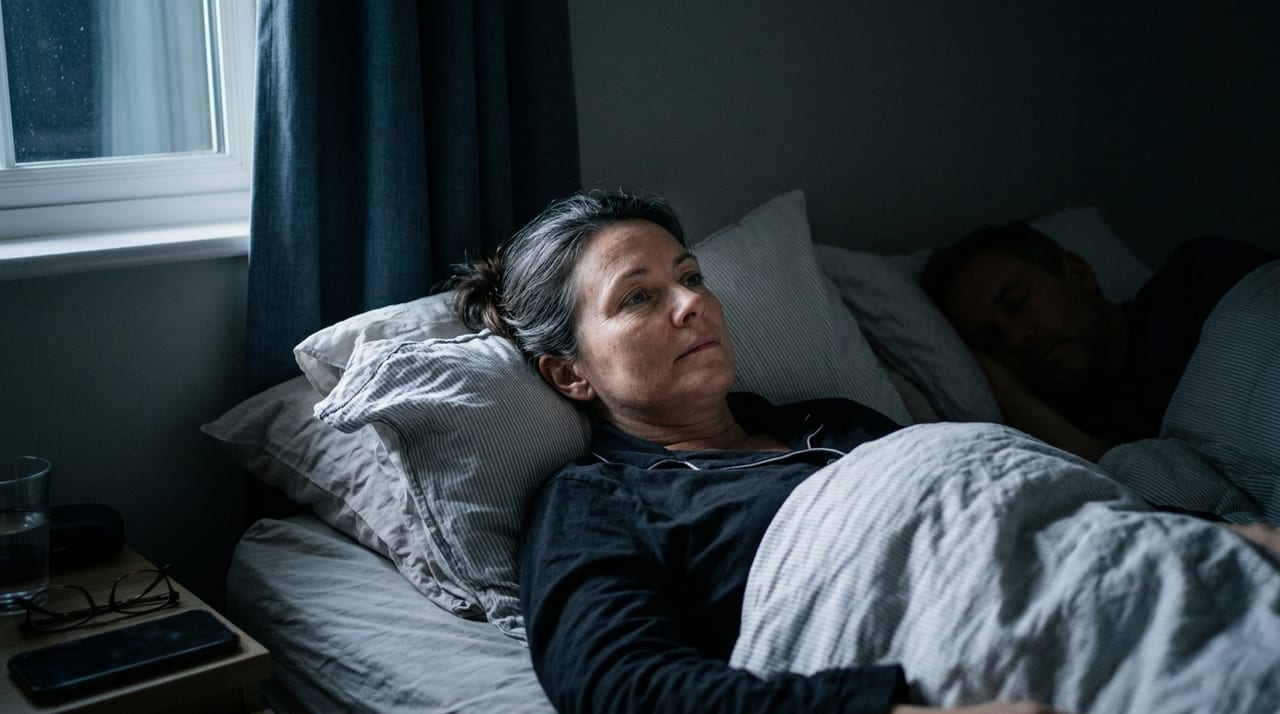
HRT isn't an Advil. It doesn't kick in 30 minutes after you take it. Each menopause symptom is a different tissue responding to a different signal — so each one has its own timeline. Hot flashes come from your brain's thermostat, so they shift fast. Vaginal tissue has to physically rebuild, so it takes longer. Mood and word-finding are the slowest to settle, but they also tend to hold the longest.
The rough rule of thumb — backed by the 2022 NAMS Hormone Therapy Position Statement — is: 50% better by week 4, 80% better by week 12, full effect by 6 months. The table below is what most prescribers use to set your expectations at the first visit.
| Symptom | First noticeable change | Substantial improvement | Full effect |
|---|---|---|---|
| Sleep onset (with oral progesterone) | Nights 1–7 | Week 2 | Week 4 |
| Hot flashes & night sweats | Week 2–4 | Week 6–8 | Week 12 |
| Mood & irritability | Week 4 | Week 8 | Week 12–16 |
| Brain fog & word-finding | Week 4–6 | Week 8–12 | Week 12–24 |
| Vaginal dryness (local estrogen) | Week 2 | Week 4–6 | Week 12 |
| Libido | Week 8 | Week 12 | Week 24+ |
| Joint aches | Week 4 | Week 8 | Week 12 |
| Bone density | Not felt | Measurable at 12 months | Sustained while on HRT |
These numbers come from pooled trial data plus clinician experience — not one single study. Your timeline can shift based on body composition, where your hormones started before treatment, the HRT route you're on, and how consistent you are with the doses.
Week 1 to 2: your body is still calibrating

Week one and two are about your body absorbing the hormone and starting to react to something it hasn't seen at meaningful levels in months — sometimes years. On a patch, your blood estradiol level steadies out by day 3 or 4. Your tissues take a little longer to catch up.
What you might notice in the first 14 days:
- Sleep often shifts first — especially if you're taking oral micronized progesterone at bedtime. Your body breaks progesterone down into a calming molecule called allopregnanolone (it hits the same brain switch as anti-anxiety meds, but gentler). Many women feel it the very first night. We cover the mechanism in why progesterone is the secret to better sleep.
- Mild breast tenderness in about 1 in 3 women starting estrogen. It's not a problem — estrogen receptors in breast tissue are waking back up. Almost always gone by week 4.
- Light spotting if you still have your uterus, especially in the first cycle. Normal. Only worry if it's heavy.
- Hot flashes can briefly get weirder — more or less, hotter or shorter — as your brain's thermostat resets. This catches a lot of women off guard.
Don't quit in week 2. The biggest reason women bail on HRT is that the first two weeks feel uneven and they decide it's not working. On 6 of the 7 symptoms above, week 2 is just too early to judge. The only exception is sleep, which often shifts night one.
Week 3 to 6: the hot-flash curve breaks
By week three, your blood and tissue estradiol have stabilized. The change you'll most likely measure is in your hot flashes. The original WHI data and the NAMS-cited trials that came after all show roughly 75% fewer hot flashes and night sweats within 4 to 6 weeks of starting an effective dose.
What usually shifts in weeks 3 through 6:
- You'll have fewer hot flashes per day first. The intensity drops next.
- Night sweats often resolve by week 6. That's also when your sleep finally consolidates into something you'd recognize as actual rest.
- Joint aches and stiffness start to ease if you had them.
- Vaginal comfort starts to come back if you're using local estrogen — fuller tissue change takes longer (see below).
- Mood often begins to lift around week 4, especially the irritability and anxiety.
"The biggest reason women abandon HRT is that the first two weeks feel uneven and they assume it's not working. Week 4 is the earliest fair checkpoint."
Week 4 to 12: vaginal tissue, mood, and brain fog

Vaginal tissue takes longer to respond than your brain's thermostat does — the tissue actually has to rebuild. The lining thickens. The pH drops back to premenopausal levels. The microbiome shifts. If you're using a vaginal estrogen cream or an Estring vaginal ring, you'll feel a comfort change in about 2 weeks. Full restoration takes 8 to 12 weeks. Recurrent UTIs usually stop within those first 12 weeks. We dig in deeper in our vaginal dryness guide.
Mood and word-finding are the slowest to settle. The 2024 long-term WHI follow-up data in Annals of Internal Medicine and the observational data summarized by NAMS show most women feel measurable mental clarity coming back between weeks 8 and 16. Word-finding usually returns first. Sustained focus and energy follow.
Six weeks in and not feeling it yet?
Tell a ClearedRx prescriber what is and isn't working. Most "HRT failures" turn out to be a dose or route tweak, not the treatment itself.
Review My Plan With a DoctorWeek 12 and beyond: the steady state
By week 12, you should know the answer to "is this dose working for me?" Most prescribers schedule the first formal check-in here. This is also when the conversation about staying on HRT long-term and HRT safety usually starts.
What plateaus and what keeps improving after week 12:
- Hot flashes: usually at full response by week 12. Still bothersome? A dose or route change is the next move.
- Sleep: stable.
- Brain fog: often keeps improving through month 6.
- Libido: the slowest. Many women see real change between months 3 and 6, sometimes later. Vaginal comfort, sleep, and mood all feed into this one.
- Bone density: measurable on a DEXA scan at 12 months. You won't feel it. It matters for fracture risk later in life.
Why some women respond faster (or slower) than others
Five things account for most of the variation:
- How bad your symptoms started. If your hot flashes were severe, you'll often feel the biggest absolute change first — there's more room to drop.
- How you take it. Patches and gels reach steady levels faster than pills and stay more consistent day to day. The BMJ 2022 reread covers route differences in detail.
- Your body composition. Higher body fat changes how estradiol distributes; some women need a slightly higher patch dose to hit the same blood level.
- How long since menopause. Women starting within 5 years of their final period usually respond faster than women starting 10+ years out — the "timing window" effect.
- How consistent you are. A patch you forget on Wednesday and Saturday is a different drug than one you swap every Monday and Thursday.
When to call your prescriber before week 12
Don't wait through 12 weeks if any of these happen. Heavy or unrelenting vaginal bleeding. A sudden bad headache or change in vision. Calf pain or swelling. Chest pain. A new lump in your breast. Or hot flashes that get measurably worse week-over-week after week 4. These aren't "wait and see" — call your prescriber.
Outside of those urgent flags, a normal check-in is reasonable for: breast tenderness past week 6, spotting past week 8, mood or anxiety that's getting worse, or a rash where the patch sits. Most of these get fixed with a dose or route change — not by stopping HRT.
Common questions about how long HRT takes to work
How long does it take for HRT to start working?
Most women feel hot flashes ease within 2 to 4 weeks of starting an estradiol patch. Sleep usually improves within the first week if you're also taking oral progesterone at bedtime. Vaginal dryness takes 4 to 12 weeks to fully clear. Full effect on mood, energy, libido, and bone density usually takes 12 weeks or longer.
Why are my symptoms worse the first 2 weeks of HRT?
Early flares are common and almost always temporary. As your estrogen receptors wake back up, you can get breast tenderness, light spotting, and fluctuating hot flashes before things calm down. Most flares resolve by week 4. If your symptoms keep getting worse past week 6, or if you have heavy bleeding, call your prescriber.
When should I expect a dose adjustment?
Most prescribers do the first formal check-in at week 8 to 12. By then your blood and tissue levels are stable enough to judge whether the dose is hitting your symptom goals. Adjustments before week 8 are usually only for clear side effects — not "it's not working yet."
How long until HRT helps with brain fog?
Word-finding and mental clarity are usually the slowest to come back. Most women feel real improvement between weeks 8 and 16. It tends to be gradual rather than a sudden lift. Treating menopause brain fog often happens indirectly first — better sleep and fewer hot flashes inside the first month make a noticeable difference even before the brain itself catches up.
What if HRT isn't working after 12 weeks?
If your hot flashes still haven't improved by week 12 on a stable dose, the next moves are usually: bump up the estradiol, switch routes (oral to patch, or patch to gel), or add a non-hormonal medication like fezolinetant. A prescriber should re-evaluate before you decide HRT has failed.
Can I stop HRT once I feel better?
You can — but most women who stop suddenly see hot flashes and sleep problems return within 1 to 4 weeks. Bone protection ends as soon as the estrogen does. NAMS recommends deciding on length of treatment with your prescriber every year rather than picking a fixed stop date. Tapering, not quitting cold, is the standard approach.
Just starting HRT — or thinking about it?
A ClearedRx prescriber will set realistic, week-by-week expectations for your specific regimen — and follow up at week 8 to fine-tune the dose. No video call required. From $39/mo ($19 first month).
Show Me My Plan